
We built our own cloud agents runtime. Here's what we learned
PostHog
You've killed an agent mid-run by closing your laptop. Or watched three of them fight over your CPU while the fans took off (same). A cloud agent…
— The Editorial Index
The SEO Cover
A curated hub of SEO articles, videos, tools, and people — organized by topic.
Topic
343 resources
Analytics and measurement are how you prove SEO works—and how you catch when it doesn't. For most practitioners, this means tracking traffic, conversions, and user behavior through Google Analytics or similar platforms, then connecting those signals back to search performance. But measurement in SEO extends beyond dashboards: it's the discipline of asking whether a traffic spike is real growth or bot noise, whether a campaign actually moved the needle, and what users actually do once they land on your site. Without clear measurement, you're making decisions in the dark.
The field is shifting toward real-time visibility and automation. Teams are moving past passive dashboards toward active monitoring—catching problems and opportunities as they happen rather than in weekly reports. There's growing emphasis on understanding the full user journey, not just aggregate metrics; on connecting marketing efforts across channels (paid, organic, owned) so you see the complete picture; and on tooling that surfaces insights without requiring you to write SQL queries yourself. AI-driven analysis is entering the space too, both as a way to find hidden patterns in noisy data and as a blind spot itself—when your own systems run on AI or third-party APIs, you need new ways to observe what's actually happening under the hood.
The practical move: stop treating analytics as a reporting layer. Build it into your workflow so anomalies surface immediately and your team sees data in context, not isolated from the work.
PostHog
You've killed an agent mid-run by closing your laptop. Or watched three of them fight over your CPU while the fans took off (same). A cloud agent…

PostHog
Say you're deploying an AI assistant that processes online order returns. For it to work, it would need access to your store's purchase policy, item…
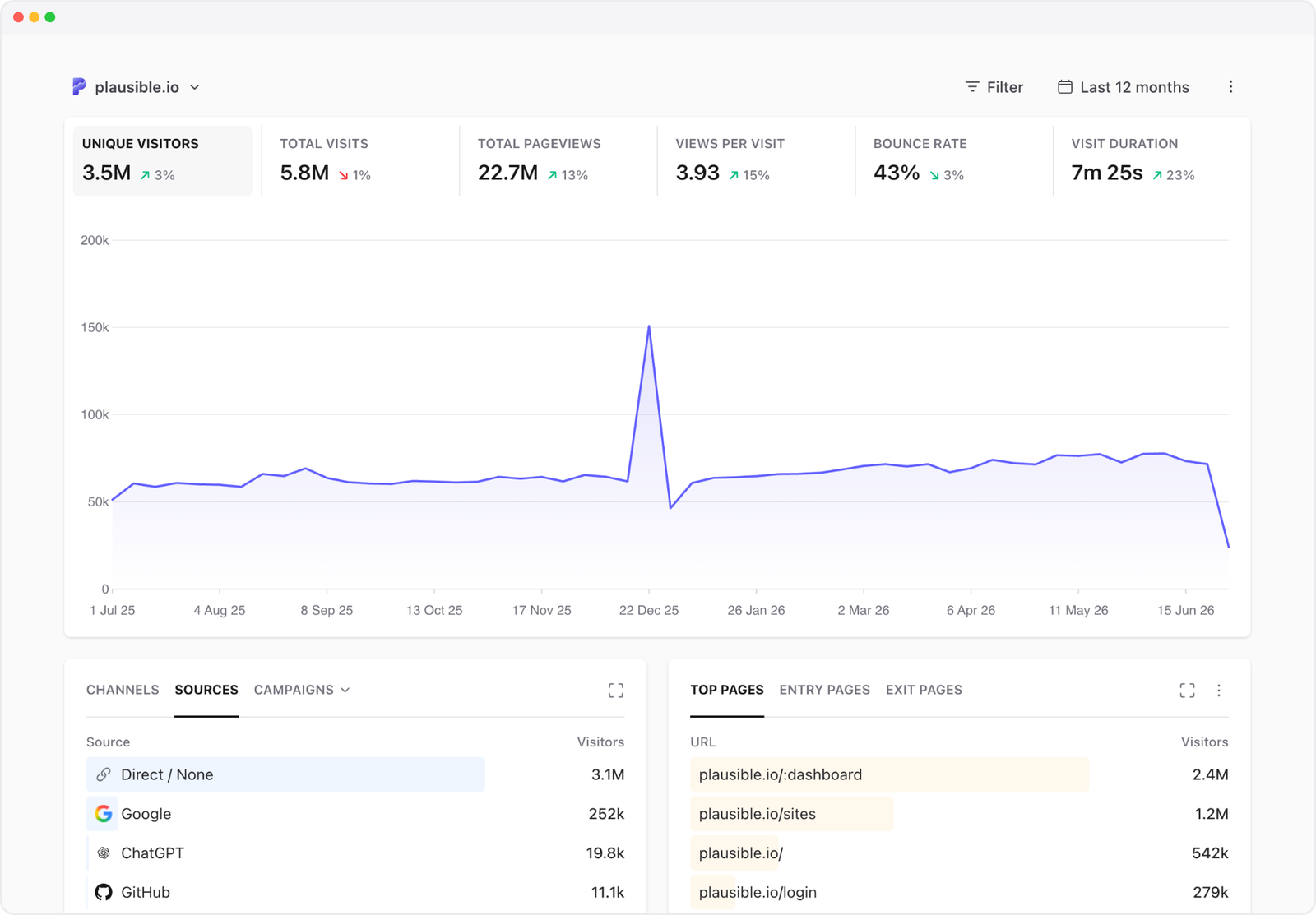
Plausible Analytics
Can I export Squarespace analytics into a spreadsheet?
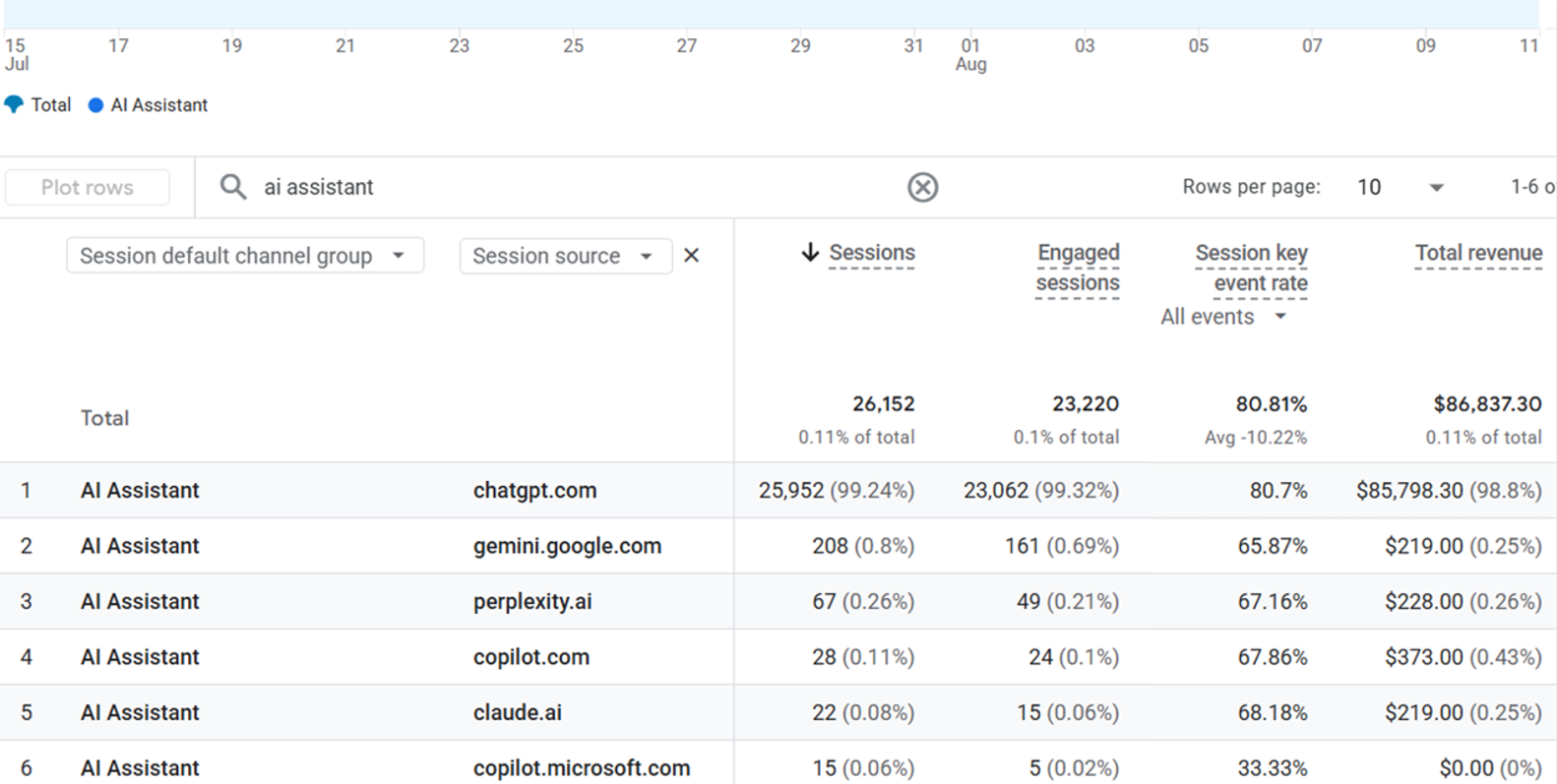
Avinash Kaushik
Over the last year, the team at Google Analytics (GA) has released a cluster of features which extend GA’s ability

PostHog
AI agents are causing teams to consider whether they should build their own version of tools they pay for. Feature flags have long been a prime…
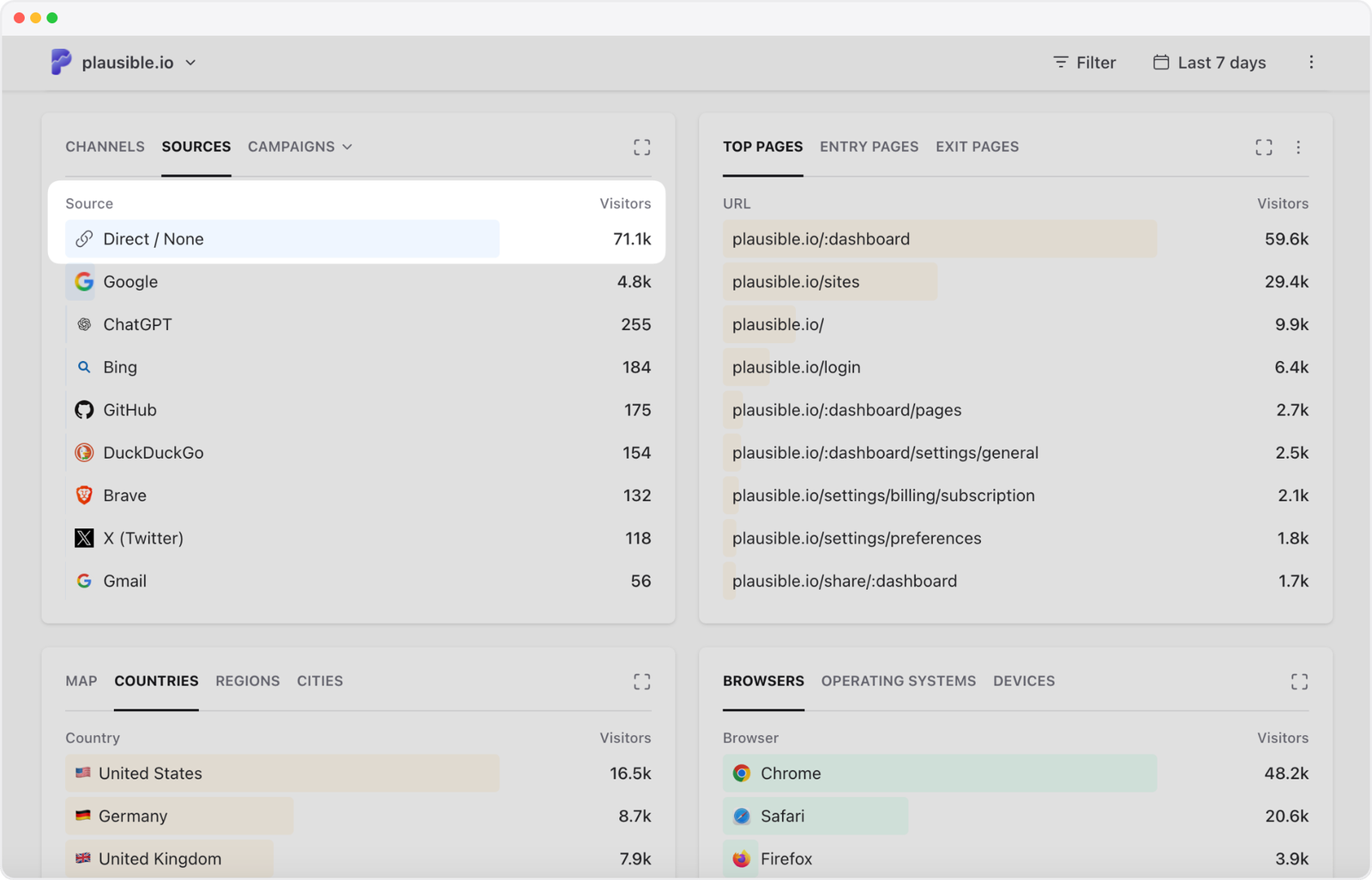
Plausible Analytics
Why is Direct your biggest traffic source? Are those visits bots? Why are tagged campaigns still showing as direct? Answers and practical checks.
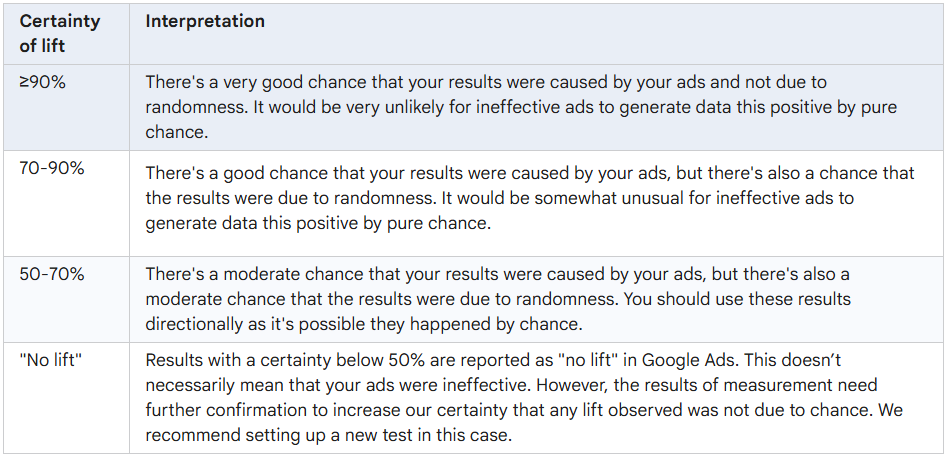
Avinash Kaushik
When Google reports lift results… Who is it solving for? Let’s start with a phrase that causes me to cringe
Plausible Analytics
What are the two main types of web analytics?

PostHog
Almost none of the session recordings we ingest are watched . The majority are stored, never opened, and expire without receiving any attention. It's…

PostHog
Since I joined PostHog in summer 2025, we've gone from doing 1 IRL event to over 100 in a year. Roughly 95% of those events involve speaking to…

PostHog
With most warehouses, answering a data question involves an ingestion pipeline, a dbt model, a permissions grant, and a BI dashboard. And they're all…
Plausible Analytics
Web analytics and product analytics overlap more than their names suggest. Learn which questions each can answer, what data they require and where Plausible fits.

PostHog
A lot web analytics tools hand you a pageview count and a dashboard you can't get your data out of, with a chunk of that traffic lost to ad blockers…

PostHog
Part of my job as a product marketer at PostHog is keeping tabs on what every other company in the data space is talking about. So I read a lot of…

PostHog
Ask Claude, Cursor, and PostHog AI the same question: "what was our MRR last month?", and you'll get three different queries and three different…

PostHog
One of the baffling things about leading the marketing team at PostHog is how often I get asked for advice. People seem to look at PostHog and say…

PostHog
Customer success managers at PostHog spend a lot of time getting customers to talk to them. This is weird because in my past post-sales roles, I sat…

PostHog
The UI is dead. Or so I keep hearing: "Agents are your users now, software is losing its head , and everyone who learned Figma should start learning…

PostHog
"Do more weird" is an actual PostHog company value , and we have a discretionary $45k/mo budget that anyone can use to bring weird ideas to life…

PostHog
For my birthday this year I got a Pimoroni Presto — a little developer gadget with a 240×240 touchscreen and not much else. I also got an…

PostHog
Somewhere in your session recordings is the moment a user rageclicked a dead button and walked out. There was no error thrown, and nobody filed a…

PostHog
Marketing roles at PostHog are competitive to a degree that surprises people. I posted on LinkedIn that we're hiring another Developer Marketer and…

PostHog
Shipping cadence is accelerating at PostHog. In the last 6 months, we've gone from shipping 1,441 PRs in January to 4,725 PRs in June while increasing…
Plausible Analytics
Learn how to measure your website traffic, understand visitors, visits, pageviews, sources and pages, track campaigns and conversions, and investigate sudden changes.
A link-based authority score (0–100) that predicts a domain's ranking ability across all its pages. Full definition →
Examination of server access logs to understand how search engines and users interact with a website. Full definition →
Search engine results page — the page a search engine displays after a user submits a query. Full definition →
A search result that answers a user's query directly without requiring a click to another page. Full definition →